

North Coast
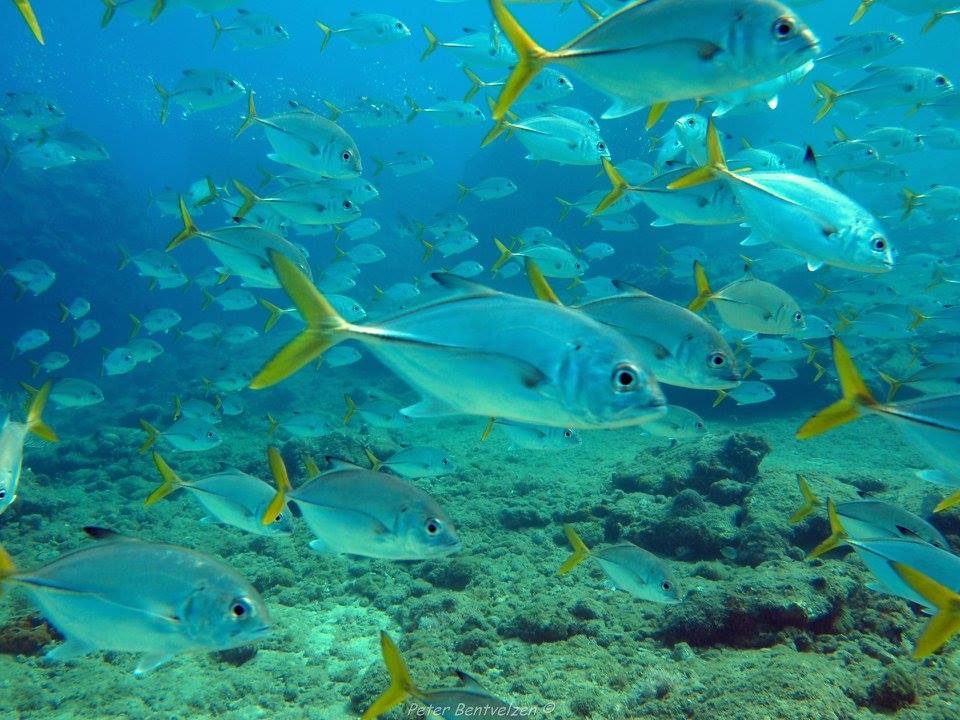
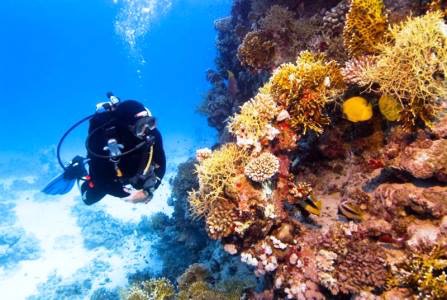
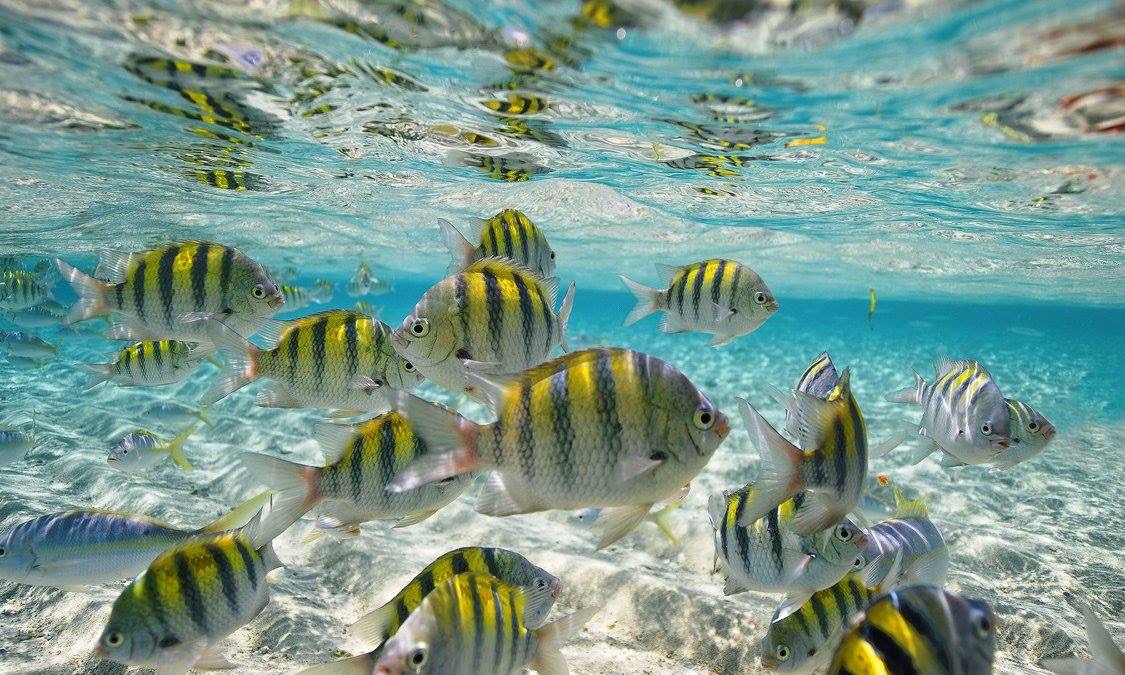
The north coast, overlooking the Atlantic Ocean, is literally a highway of the sea for dolphins, kingfisher, wahoo, rays and humpback whales. In the region of Puerto Plata, one can practice diving and snorkeling in Puerto Plata, Sosua, Cabarete, Rio San Juan and Laguna Gri Gri. To the west, you can find exceptionally calm waters of Montecristi, also rich in relics of the sixteenth century and protected corals. The coastline varies from flat and sandy beaches to cliffs of the mountains coming down to the ocean. From January to March, on the north coast, exciting encounters with humpback whales are possible in the Silver Bank to live the unforgettable experience of hearing the sounds they emit during the pairing period. Yet the best months for diving in the north of the island are from June to September, when the water is more calm and the visibility is better. Make sure to bring your snorkeling equipment when you visit Puerto Plata to enjoy the view of its tropical fish and plants in Sosua Underwater Marine Park. To the west, the experience of snorkeling in the coral reef at Cayo Arena (Paraíso) is incomparable. The boat ride from Punta Rucia takes about half an hour. Punta Rucia is about two and a half hours drive from Puerto Plata. Diving operators offer excursions for both snorkelers and divers. The boat ride is part of the fun as, on the way, you pass through mangrove forests and lagoons that help tourists access secluded beaches with crystal clear and turquoise blue water, and coral reefs where you can see creatures of all colors, shapes and size living together in harmony. Inside, diving operators of the Dominican Republic accompany advanced-level divers to cave areas filled with freshwater, located in shallow depths, between 25 and 60 feet (7.6 to 18 m), with an outstanding visibility of up to 200 feet (61 m) or even more. From a morphological point of view, the subsoil of the Dominican Republic is mainly limestone of a honeycomb shape that gives life to a system of freshwater caves, underground tunnels, caves and cavities, many of which are only open for diving.
South Coast
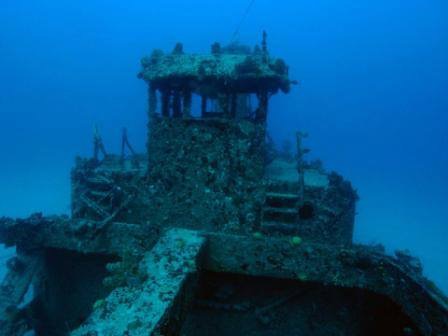
The south coast overlooks the Caribbean Sea. In the Boca Chica, near the Las Americas International Airport, diving in coral reefs, wrecks, caves freshwater and night dives are possible. The La Caleta Submarine National Park has several wrecks and diving spots in both shallow and deep waters. During the months from November to January, the sea on this side of the island is more calm, so the visibility reaches its maximum level. Diving operators of Boca Chica accompany divers to visit, at 144 feet (44 m), the wreck of Hickory that rests, lying upright on the sandy seabed at the depth of just 60 feet (18.2 m) from the surface. The ship sank more than 25 years ago, and has now become the habitat of colorful tropical fish attracted by the impressive collection of marine sponges and encrusted corals. The wreck of El Limón is only 900 feet (274 m) away from that of Hickory. This is a tug of steel that was deliberately drowned in 1998 to become an attraction for divers. It has been described as "a toy ship at the bottom of a bathtub." Nearby, there are small caves and crevices as parts of neighboring coral barrier. There is also the wreck of Captain Alsina, one of the first fast wooden boats of Marina. 105 feet (32 m) long, it lies on the right side on a reef oblique in the La Caleta National Park. A sandy channel that originates on a plateau of sand leads to the wreck, where divers drop anchor at a depth of 60 feet (18.2 m). La Sirena is a source of fresh water indoor and consists of a long 300 feet (91.4 m) labyrinth of submerged tunnels and caves at the depth of 25 to 30 feet (7.6 to 9 m). The underwater visibility is 200 feet (21 m). Here divers can see cream-colored stalactites suspended from the ceiling.